
Effective intercultural communication is the single most important skill for couples navigating cultural and linguistic differences. Cross-cultural relationship communication tips go beyond language lessons. They address how your nervous system reacts under stress, how your culture shapes emotional expression, and how two people can build something entirely new together. Misunderstandings originate more from cultural scripts than from personality flaws or bad intentions. That shift in perspective changes everything.
1. Cross-cultural relationship communication tips start with your nervous system
The body reacts before the brain does. When a conversation feels threatening, your nervous system triggers a defensive state that makes listening nearly impossible. This is especially true in cross-cultural conflicts, where unfamiliar communication patterns can feel like personal attacks even when they are not.
Therapeutic frameworks used in couples counseling recommend a clear sequence: regulate first, connect second, think third. Regulating your physiological state before a sensitive conversation significantly reduces the "threat mode" reactions that derail discussions. This is called biological co-regulation, and it works whether you share a language or not.
Practical regulation techniques include:
- Slow breathing. Take four counts in, hold for four, release for four. Do this before you speak, not during the argument.
- Physical grounding. Place both feet flat on the floor. Feel the chair beneath you. This pulls attention back to the present moment.
- Time-out agreements. Agree in advance that either partner can call a 20-minute pause without it meaning withdrawal or disrespect.
- Shared rituals. A short walk, a cup of tea, or even a few minutes of silence together before a hard talk can reset both partners.
Pro Tip: Practice a two-minute breathing exercise together before any conversation you know will be difficult. Doing it as a couple, not just individually, builds shared calm and signals mutual respect.
2. How to understand and translate emotional language across cultures
Mismatched expectations on verbal versus performative love cause one in three conflicts in cross-cultural couples. That statistic points to a real gap. Many cultures express love through action, not words. Asking "Have you eaten?" is a statement of care in many East Asian cultures. Cooking a meal without being asked is affection in many Latin American and Mediterranean households.

When your partner does not say "I love you" but shows up every time you need them, that is emotional language. The problem arises when you expect their version to look like yours.
Techniques for translating emotional styles:
- Observe before you judge. Watch what your partner does consistently. Repeated behaviors are usually expressions of care, not indifference.
- Ask, do not assume. "When you do X, what does that mean to you?" opens a conversation instead of closing one.
- Name your own style. Tell your partner how you express love. Do not expect them to decode it without context.
- Validate before correcting. Say "I see that you showed up for me" before asking for a different kind of expression.
Pro Tip: Spend one week tracking what your partner does, not what they say. You will likely find a pattern of care you had been missing entirely.
3. How high-context and low-context styles create friction
Directness differences between low-context and high-context cultures cause friction that partners often misread as dishonesty or emotional coldness. Understanding this distinction is one of the most practical pieces of relationship advice across cultures you can apply immediately.
Low-context communicators, common in Germany, the Netherlands, and the United States, say exactly what they mean. High-context communicators, common in Japan, China, and many Arab cultures, rely on tone, silence, and shared understanding to convey meaning. Neither style is wrong. They are just different operating systems.
Here is how to work with the gap:
- Name the style difference out loud. Say "I think I communicate more directly than you do. Can we talk about that?"
- Ask clarifying questions without judgment. "I want to make sure I understood you correctly" removes the accusation from clarification.
- Slow down. Assuming equal processing speed causes friction. Give your partner time to find the right words in the right cultural frame.
- Watch for silence. In high-context cultures, silence often signals discomfort or disagreement, not agreement.
- Use explicit language for important topics. Even if your partner prefers indirect communication, major decisions need direct confirmation from both sides.
4. What is the "Third Culture" and how do you build it?
The "Third Culture" concept treats a cross-cultural relationship as its own sovereign entity, separate from either partner's background. Couples who adopt a "Third Chair" perspective focus on what the relationship needs rather than which culture is right. This shift is not just philosophical. It produces real behavioral changes.
Building your Third Culture means creating shared language, shared rituals, and shared conflict norms that belong to you as a couple.
Practical steps to get there:
- Create shared phrases. Develop a word or signal that means "I need a moment" or "I am not attacking you." These micro-languages reduce misreads fast.
- Blend rituals deliberately. Celebrate one holiday from each background. Cook each other's comfort foods. These acts build a shared story.
- Use bridge phrases. Bridge phrases that acknowledge cultural background before stating intent transform potential attacks into clear communication. Try: "I realize this might sound blunt from my background, but my intent is to be honest with you."
- Practice meta-communication. Dedicated conversations about how you communicate reduce conflict before it starts. Schedule a monthly check-in specifically about your communication patterns, not just your problems.
- Drop the scoreboard. Whose culture handles conflict "better" is the wrong question. The right question is what works for both of you.
The "Proof of Work" principle applies here too. Genuine relationship growth happens when both partners actively engage with each other's worldviews, not just tolerate them. That means trying the food, learning a few words, attending the family event, and asking real questions.
5. How digital tools support cross-cultural communication
Language barriers add a layer of complexity that emotional intelligence alone cannot always solve. Real-time translation tools improve emotional and practical communication for partners managing language differences. They help express affection and clarify meaning beyond what either partner's second language can carry.
The right tool for a relationship context needs to do more than translate words. It needs to preserve tone and intent.
What to look for in a translation tool for couples:
- Real-time delivery. Delayed translation breaks conversational flow and adds frustration.
- Voice mode. Typing mid-conversation interrupts emotional presence. Hands-free voice translation keeps the focus on each other.
- High accuracy. A single mistranslated word in an emotional conversation can cause serious damage. Accuracy matters more in relationships than in business.
- Privacy. Relationship conversations are private. End-to-end encryption is not optional.
Oralingo translates messages instantly before they are displayed, so the conversation feels natural rather than mechanical. Its voice mode removes the need to type, which matters when you are mid-argument or mid-affection. With support for over 100 languages and a 99% accuracy rate, it covers most couples' needs. Every conversation is end-to-end encrypted, so what you share stays between you.
Pro Tip: Use a multilingual communication checklist to identify which conversations need translation support and which ones you can handle in your shared second language. Not every talk needs a tool, but knowing when to use one prevents avoidable misreads.
6. Viewing conflict as "us versus the dynamic"
Viewing cultural conflict as "us versus the dynamic" rather than partner versus partner shifts the entire frame of a disagreement. This reframe is simple but hard to hold onto in the middle of a fight. It requires practice.
When you and your partner disagree about something rooted in cultural difference, the conflict is not between two people. It is between two sets of learned assumptions. Neither of you chose your cultural programming. Both of you can choose how you respond to it.
This perspective produces one concrete behavior change: you stop trying to win and start trying to understand. That is the foundation of every other tip in this article.
Key Takeaways
Effective intercultural communication in relationships requires nervous system regulation, emotional language translation, and the deliberate creation of a shared culture between partners.
| Point | Details |
|---|---|
| Regulate before you talk | Calm your nervous system first. Threat-mode reactions block understanding before the conversation starts. |
| Learn your partner's emotional language | Observe repeated behaviors. Acts of service, food, and presence are often love in a different dialect. |
| Name your communication styles | Identify whether you lean high-context or low-context, then build explicit agreements around the gap. |
| Build a Third Culture together | Create shared phrases, rituals, and conflict norms that belong to your relationship, not either background. |
| Use translation tools for emotional clarity | Real-time translation with voice mode and high accuracy helps preserve tone and intent across languages. |
Why cultural curiosity beats cultural tolerance
I have watched couples with enormous cultural differences thrive, and couples with minor ones fall apart. The difference is almost never the size of the gap. It is whether both people treat the gap as interesting or as a problem.
Tolerance is passive. You tolerate a headache. Curiosity is active. When you are genuinely curious about why your partner responds the way they do, you stop reacting and start learning. That shift changes the entire texture of a relationship.
The nervous system piece surprises most people. They expect communication advice to be about words. But the body decides whether a conversation is safe before a single word lands. Couples who build physical regulation rituals together, even something as simple as a shared breathing exercise, report that hard conversations feel less like combat.
The Third Culture concept is the one I find most underused. Couples spend enormous energy debating whose way is right. That energy is better spent inventing something new. Your relationship does not have to look like either of your families. It can look like you.
— Poul
Oralingo makes cross-cultural conversations easier
Real connection across languages takes more than good intentions. You need a tool that keeps up with the speed and emotion of real conversation.
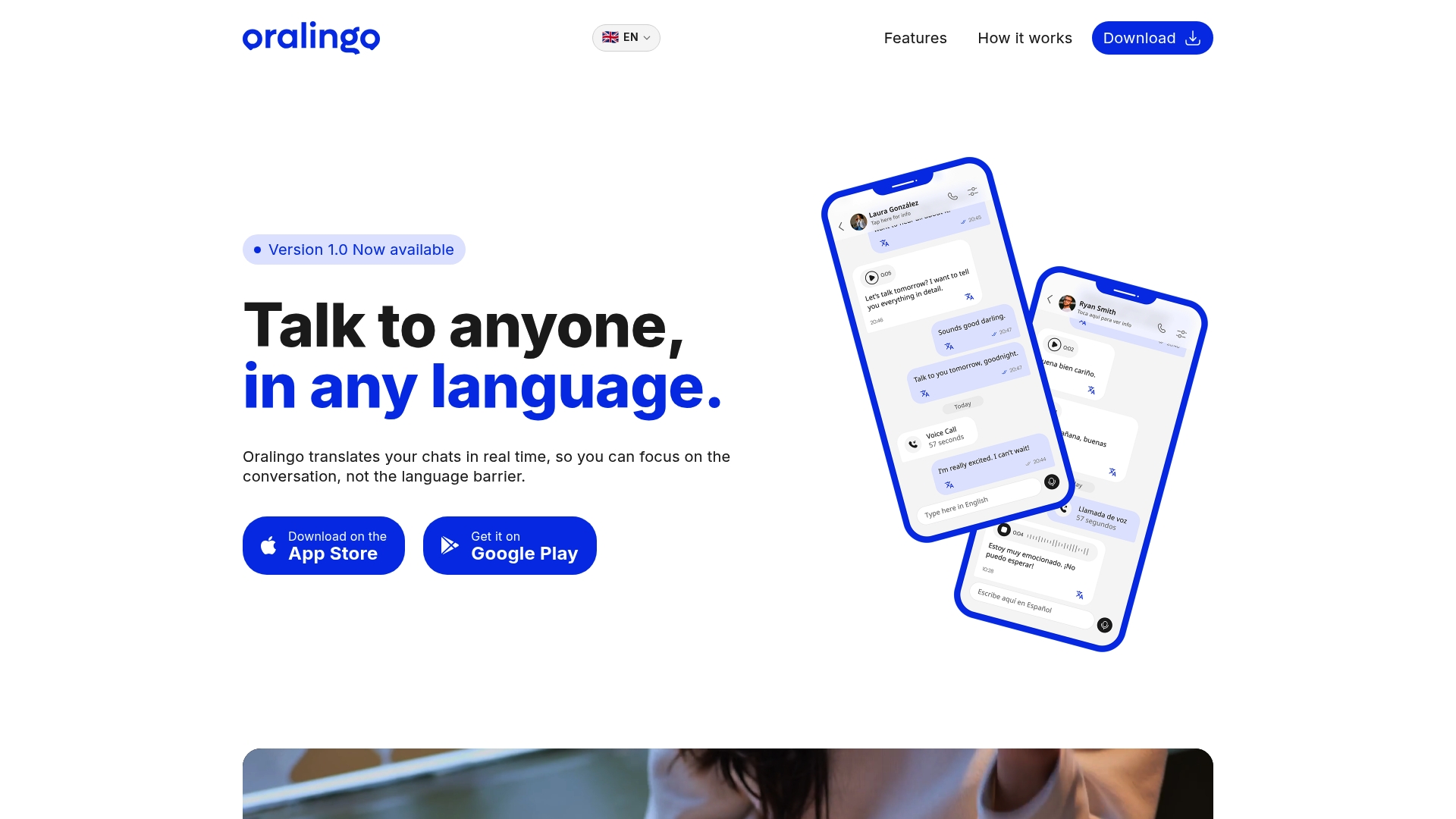
Oralingo translates your messages instantly, before they appear on screen, so the conversation flows without interruption. The hands-free voice mode means you stay present with your partner instead of staring at a screen. With over 100 languages supported, a 99% accuracy rate, and full end-to-end encryption, Oralingo is built for the conversations that matter most. Talk to anyone in any language, and keep the focus where it belongs: on each other.
FAQ
What is the biggest communication challenge in cross-cultural relationships?
Mismatched emotional language is the most common source of conflict. Partners often express love and care in culturally specific ways that the other person does not recognize as affection.
How do high-context and low-context communication styles affect couples?
High-context communicators rely on tone and implication, while low-context communicators say exactly what they mean. This difference causes misreads that feel like dishonesty or emotional distance but are actually just different cultural defaults.
What is the "Third Culture" in a relationship?
The Third Culture is a shared relationship identity that couples build together, blending elements of both backgrounds into new rituals, language, and conflict norms that belong specifically to them.
Can translation apps help with emotional conversations?
Yes. Real-time translation tools help partners express nuanced emotional intent across language barriers, especially when second-language vocabulary falls short during high-stakes conversations.
How do you stop cultural conflicts from escalating?
Regulate your nervous system before the conversation starts. The sequence "regulate first, connect second, think third" reduces threat-mode reactions and keeps both partners able to listen and respond clearly.