Renting an apartment in Latin America as an expat comes down to seven moves: pick your city, book a short-term landing spot, assemble your documents, search the right channels, verify listings before you view or pay, negotiate guarantees and contract terms, then set up utilities after signing. Landlords in Brazil commonly ask for a CPF and proof of income near three times the monthly rent, plus one guarantee, whether that's a fiador, a caução deposit, or seguro fiança insurance. You'll typically put down a few months of rent depending on the country and the guarantee you offer.
You'll lean on a mix of Airbnb for your first few weeks, local portals and Facebook groups for the real hunt, and tools like Oralingo to keep negotiations and contract reviews accurate when your Portuguese or Spanish isn't quite there yet. Here's the sequence, start to finish:
- Pick your city and neighborhood shortlist before you book flights.
- Book a short-term stay (2 to 4 weeks) so you're never forced to sign sight unseen.
- Assemble your document pack: passport, proof of income, bank statements, references.
- Search the right channels for your budget and timeline.
- View in person and verify ownership before any money changes hands.
- Negotiate guarantees, deposits, and contract clauses in writing.
- Sign, move in, and set up utilities with a documented condition report.
Key Takeaways
Renting an apartment in Latin America as an expat comes down to a documented process: verify before you view, verify before you pay, and get every agreement in writing before you sign.
| Point | Details |
|---|---|
| Book short-term first | Use a 2 to 4 week Airbnb stay to scout neighborhoods before signing anything long-term. |
| Assemble documents early | Get your CPF or local equivalent, proof of income, and bank statements ready before you search. |
| Never pay before viewing | Verify ownership through property tax receipts and refuse cash or untraceable payment requests. |
| Confirm the full monthly cost | Ask for condomínio, IPTU, and utility history in writing before you commit to a rent figure. |
| Bridge language gaps with Oralingo | Use real-time voice and pre-delivery translation during viewings and contract review to avoid costly misunderstandings. |
Table of Contents
- Steps to Rent in Latin America: Where to Search First
- How Do You Avoid Rental Scams as a Foreigner?
- Guarantees and Deposits: What Landlords Actually Expect
- What Documents Do You Need Before You Start Looking?
- What's the Real Monthly Cost Beyond Rent?
- A Realistic Timeline From Departure to Move-In
- What Should You Check During a Viewing?
- How Do You Pay Rent Safely as a Foreigner?
- Handling Language Gaps During Viewings and Contract Talks
- How Oralingo Removes the Language Barrier From Your Apartment Search
- Frequently Asked Questions
- Sources
Steps to Rent in Latin America: Where to Search First
Where you look depends entirely on how much time you have and how much Spanish or Portuguese you can manage. Expats who skip straight to long-term portals without a short-term buffer are the ones who end up signing leases for apartments they never actually saw.
Airbnb works best as your landing pad, not your long-term solution. Book two to four weeks in a neighborhood you're considering, use that time to scout in person, and treat the cost as insurance against a bad long-term decision. One guide for renters abroad puts it plainly: book short-term first, then search in person, because scammers specifically target people trying to lock in a lease from another country.
Major local portals vary by country, and they matter because they're where landlords actually list. In Brazil, platforms like QuintoAndar let you filter by neighborhood and see photos before contacting anyone, which speeds up the shortlist phase considerably. Local portals tend to have more inventory than anything marketed toward foreigners, but the interface and communication will usually be entirely in the local language.
Facebook and WhatsApp groups for expats and locals often surface apartments that never make it to formal portals. The catch: verify who's actually posting. A renter posting their own place looks different from an agent cross-posting fifteen listings a day. Ask for the exact address and a video walkthrough before you get excited about a price that seems too good.
Street signs ("Se Arrienda," "Se Alquila," "Aluga-se") often lead to the cheapest units in a neighborhood, since owners who post their own signs skip agent fees and portal costs. The tradeoff is language friction. You'll need at least basic conversational ability, or a local contact, to call the number on the sign and negotiate.
Agents and property managers cost more but save time, especially in competitive cities like Mexico City or São Paulo where good units get snapped up in days. Look for agents who explicitly mention working with foreigners. They'll already know what documents you can substitute when you lack a local guarantor.
- Airbnb: best for your first 2 to 4 weeks, not for long-term rent
- Local portals: largest inventory, but require language ability or translation help
- Facebook/WhatsApp groups: fast leads, higher scam risk, verify before contacting
- Street signs: cheapest prices, most language friction
- Agents: worth the fee in tight markets or when you lack local paperwork
How Do You Avoid Rental Scams as a Foreigner?
Never send money before you've physically walked through the apartment. That single rule prevents the majority of scams aimed at foreign renters, who get targeted precisely because they're desperate to lock in housing from another country. One guide on house-hunting abroad is blunt about the pattern: scammers manufacture urgency and collect reservation fees for units that don't exist, often disappearing the moment payment clears.

The scam usually follows a script. Someone posts an attractive unit at a below-market price, claims they're traveling and can't show it in person, and pushes you to wire a deposit "to hold it" before someone else does. Real landlords rarely need to rush you. If a listing insists on cash, Western Union, or an obscure crypto payment before you've seen the place, walk away.
Verification takes maybe twenty minutes and saves you from a much worse afternoon. Ask for the property tax receipt (the IPTU bill in Brazil, predial in several Spanish-speaking countries), which shows the registered owner's name. If the person you're dealing with isn't the owner, ask for a power of attorney or written authorization. Request a signed, dated receipt for every payment you make, even a small holding fee.
Photos that look suspiciously professional or appear on multiple listings under different names are a red flag worth investigating. Reverse-image search a couple of the photos if something feels off. A local contact, whether a friend, a coworker, or a fixer you're paying for a few hours, can call the building's administration to confirm who actually owns or manages the unit.
Pro Tip: If a deal starts feeling wrong mid-conversation, pause it rather than walk away outright. Say you need 24 hours to review the contract with someone. A legitimate landlord will wait. Someone running a scam usually won't.
- Never wire money before an in-person or video-verified viewing.
- Ask for the property tax receipt to confirm the registered owner.
- Request a power of attorney if you're not dealing with the owner directly.
- Get a written, dated receipt for every payment, no exceptions.
- Treat any "reserve now or lose it" pressure as a warning sign.
Guarantees and Deposits: What Landlords Actually Expect
Most landlords in Latin America want a financial guarantee beyond your first month's rent, and the form it takes varies by country. In Brazil, you'll typically choose between a fiador (a local guarantor who co-signs the lease), a caução (a cash deposit, usually two to three months' rent held in escrow), or seguro fiança (a rental insurance policy the tenant pays for instead of finding a guarantor). The Rio Times' guide for foreign renters notes that confirming which insurance providers a landlord will actually accept saves you from buying a policy they later reject.

Colombia works similarly. A fiador is common, and landlords there lean on it heavily since Colombian tenancy law (Ley 820) gives tenants real protections that make owners cautious about who they let in. If you don't have a Colombian citizen willing to co-sign, the practical workaround is paying several months upfront or securing a rental-guarantee policy (póliza) that the landlord recognizes.
If you don't have a local guarantor, and most expats don't in their first year, you have two real paths. The first is a larger cash deposit, often two to three months instead of one. The second is a rental guarantee policy from an insurer the landlord already trusts. Ask which providers they've worked with before you shop around for a policy on your own; a policy from an unfamiliar company can get rejected on the spot.
Foreign income makes landlords nervous mainly because they can't easily verify it. Bring bank statements showing consistent deposits over three to six months, an employer letter on company letterhead, and if you're self-employed, a summary of recent invoices or contracts. Translating these into the local language, or having them ready in both languages, speeds up trust considerably.
When you can't offer a fiador, offer something else of value. Propose paying three or six months upfront in exchange for waiving the guarantor requirement. Offer a shorter notice period if you break the lease early, which reduces the landlord's risk. A well-drafted written contract with clear penalty clauses often reassures an owner more than a guarantor would.
- Fiador/aval: local co-signer, common in Colombia and Brazil
- Caução: cash deposit held in escrow, typically 2 to 3 months' rent
- Seguro fiança: rental insurance replacing a guarantor, confirm accepted providers first
- Alternative: offer 3 to 6 months prepaid in exchange for waiving a guarantor
What Documents Do You Need Before You Start Looking?
Assemble your document pack before you start browsing listings, not after you find a place you love. A ready-to-send applicant summary lets you move faster than renters who scramble to gather paperwork mid-negotiation, and in competitive markets, speed wins units.
Every country will ask for some version of the same core set: your passport, proof of income (pay stubs, an employer letter, or bank statements if you're self-employed), a scanned copy of your ID, and, where applicable, your visa or residency stamp. Rental references from a previous landlord help, though they're less commonly checked than in the United States.
Country specifics matter here. In Brazil, you'll need a CPF (a Brazilian tax ID number) before most landlords will even consider your application, and it's worth getting one in your first week rather than waiting until you find a unit. If you're on a longer-term visa, your CRNM (national migration registry card) often substitutes for a local ID in official paperwork. In Colombia, landlords typically want your passport, proof of funds, and your cédula de extranjería if you've been issued one. In Mexico, expect similar requests: passport, proof of income, and immigration documents if you're on a temporary or permanent resident visa.
If your proof of income comes from a foreign employer, some landlords or agents will ask for a sworn or notarized translation, particularly for larger properties or agency-managed buildings. Get this done early. Sworn translators typically take a few days, and you don't want that step holding up an offer on a unit you've already fallen for.
Keep digital copies of everything in a single folder you can share instantly, and build a one-page applicant summary: your name, job, income, move-in date, and lease length preference. Landlords and agents respond faster to organized applicants, and a clean one-pager reads as more credible than a scattered email thread.
- Passport, proof of income, bank statements, scanned ID (universal)
- CPF and, if applicable, CRNM (Brazil)
- Cédula de extranjería or equivalent immigration document (Colombia, Mexico)
- Sworn or notarized translation of foreign income documents when required
- A one-page applicant summary ready to send on request
What's the Real Monthly Cost Beyond Rent?
The number on the listing is almost never the number you'll actually pay. In many Latin American rentals, advertised rent excludes the building fee, property tax, and utilities entirely, and landlords rarely volunteer that breakdown unless you ask directly.
In Brazil, expect a condomínio (building fee) covering shared maintenance, security, and amenities, which can run anywhere from modest to nearly as much as the rent itself in a full-service building. IPTU, the annual property tax, sometimes gets passed to the tenant in the lease, and sometimes stays with the owner. Electricity, gas, water, and internet are almost always separate and billed directly to whoever's name is on the account.
A one-bedroom listed at a certain rent in a well-appointed São Paulo building can easily add another third to that figure once condomínio, utilities, and internet are factored in. The listing price is a starting point, not the total.
Ask the landlord or building administrator for the last six months of condomínio and utility bills before you sign. This gives you a real average instead of a guess, and it's a completely normal request that shouldn't raise eyebrows. If they hesitate to share it, treat that hesitation as information.
Before signing, confirm in writing who pays for each of the following: the building fee, the property tax, any HOA-style special assessments, and whether utility accounts transfer to your name or stay under the landlord's. A verbal agreement on this evaporates the moment there's a dispute.
- Condomínio/building fee: shared maintenance and amenities, ask for the last 6 months of bills.
- IPTU/property tax: confirm whether tenant or owner pays.
- Electricity, gas, water, internet: separate accounts, typically tenant's responsibility.
- Get every cost item written into the contract, not just agreed verbally.
A Realistic Timeline From Departure to Move-In
- Six to eight weeks before you leave, shortlist two or three cities or neighborhoods, and start assembling your document pack. Book a short-term stay of two to four weeks so you land somewhere stable rather than scrambling.
- Arrival week, get a local SIM card, start the process of opening a local bank account (some countries require proof of address you won't have yet, so ask about temporary workarounds), and begin scheduling viewings in the neighborhoods you scouted online.
- Weeks two through four, view apartments in person, verify ownership on anything you're seriously considering, and negotiate guarantees and contract terms. Don't sign until you've inspected the unit and gotten a written cost breakdown.
- After signing, confirm the payment schedule, document the move-in condition with dated photos, get contact information for the building administrator, and set up your utility accounts. In some countries, you'll also need to register your new address with immigration or a local registry within a set window, so ask your landlord or agent about that requirement specifically.
Rushing this timeline is the single biggest mistake expats make. A short-term buffer of even two weeks gives you enough runway to view multiple units, compare prices, and walk away from anything that feels wrong, rather than accepting the first listing out of exhaustion.
What Should You Check During a Viewing?
Walk through the apartment like you're planning to live there for a year, because you probably are. Test the water pressure in every bathroom, run the taps for a minute to check for rust, flip every light switch, and open every window to confirm it actually locks. A viewing guide for foreign renters in Brazil recommends visiting at different times of day, including at night, since noise from traffic, bars, or neighboring units often only becomes obvious after dark.
Take dated photos or a video of every room, including any existing damage, cracks, or wear. This becomes your reference point for the move-in inspection report and protects your deposit when you eventually move out.
At contract signing, verify each of these clauses explicitly: the lease term and renewal conditions, how rent adjusts over time (many contracts index to an inflation measure rather than a fixed increase), any early termination penalty, who's responsible for condomínio and IPTU, and whether an itemized inventory and move-in report are attached as an exhibit.
Negotiation in most Latin American rental markets has real room to move. A comparative look at renter negotiation norms suggests 5 to 12% off the asking rent is achievable if you can offer a longer lease term or a larger deposit, though tighter markets like central Mexico City or São Paulo leave less room. Ask for repair commitments in writing rather than a verbal promise. If you lack a fiador, propose the alternative guarantee upfront rather than waiting for the landlord to reject you first.
For a first message, keep it short: "Hi, I'm interested in the apartment on [street]. Is it still available, and could we schedule a viewing this week? I can send references and proof of income." In person, a negotiation opener can be just as direct: "I'd like to move forward, but could we discuss the deposit given I don't have a local fiador? I can offer three months upfront instead."
- Test water pressure, lighting, window locks, and appliance condition on-site.
- Visit at least once at night to check noise levels.
- Take dated photos before you sign anything, not just after moving in.
- Confirm lease term, rent indexation, termination penalty, and who pays condomínio/IPTU.
- Negotiate with a concrete offer, not just a request for a lower price.
How Do You Pay Rent Safely as a Foreigner?
Pay by traceable bank transfer, never cash, and insist on a receipt for every single payment regardless of how the landlord prefers to operate. Cash payments leave you with no record if a dispute arises later over whether rent was actually paid.
Brazil illustrates the challenge well. Landlords there overwhelmingly expect payment through Pix, the country's instant bank transfer system, which requires a local bank account most new arrivals don't have in their first weeks. Until you've opened one, international-to-local transfer services can bridge the gap, though you'll want to confirm the landlord accepts that method before relying on it for your first month's rent.
Document every transfer with a screenshot or confirmation number, and keep a simple log: date, amount, method, and what it covered. If a landlord asks for a payment method that leaves no trail, whether that's cash in an envelope or an unusual crypto transfer, that's a legitimate reason to pause and ask why a traceable bank transfer isn't acceptable instead.
Pro Tip: If a landlord pushes back hard on a traceable payment method, propose splitting the difference: pay the deposit by bank transfer and discuss month-to-month rent afterward. A legitimate landlord usually has no problem with a paper trail; a hesitant one is telling you something.
- Use bank transfer or a platform-handled payment, never cash.
- In Brazil, expect Pix; open a local account or use a transfer service until you can.
- Log every payment with date, amount, and confirmation number.
- Treat resistance to traceable payment as a warning sign, not a quirk.
Handling Language Gaps During Viewings and Contract Talks
Language friction is where a lot of otherwise smooth rental deals fall apart, and it usually happens at the worst moment: mid-negotiation, or halfway through reading a clause you don't fully understand. A real-time translation app that translates messages before they display, rather than after you've already sent something confusing, keeps a negotiation moving instead of stalling on a misread sentence.
During an in-person viewing, hands-free voice mode lets you have an actual back-and-forth conversation with a landlord without stopping to type on your phone every ten seconds. You can ask about the water pressure, the noise at night, or whether the condomínio covers the gym, and get an answer in real time. For multilingual contract review, pre-delivery translation matters even more, since a clause about indexation or termination penalties needs to preserve legal meaning, not just swap words.
Look for a few specific capabilities when you're choosing a translation tool for this kind of high-stakes conversation: hands-free voice for live negotiation, translation that happens before the message displays so there's no lag, and tone or context preservation so a polite request doesn't come across as a demand. Oralingo covers all three, with support for more than 100 languages and end-to-end encryption on every conversation, which matters when you're discussing bank details or personal financial documents with a landlord.
Pro Tip: If a translation app clarifies a clause during a phone or WhatsApp conversation, don't just rely on that clarification verbally. Ask the landlord to add the clarified wording directly into the written contract before you sign, so the agreement matches what you both actually understood.
- Real-time voice translation during in-person viewings, no typing required.
- Pre-delivery text translation for negotiating over WhatsApp or email.
- Tone and context preservation so requests don't read as demands.
- Always get a verbally clarified clause added to the written contract, not left as a spoken understanding.
An Expat's Honest Take on the Rental Hunt
The rental hunt in Latin America rewards patience more than it rewards speed, and that runs against every instinct you'll have when you're eager to unpack and stop living out of a suitcase. The renters who end up happiest with their apartments are almost never the ones who signed the first decent listing they found. They're the ones who spent their short-term stay walking neighborhoods at different hours, asking annoying questions about condomínio history, and treating a landlord's hesitation to answer as useful information rather than an inconvenience.
The smallest mistakes tend to cause the biggest headaches later. Skipping the night visit and discovering a bar two floors down only after signing. Accepting a verbal promise about a broken appliance instead of getting a repair date in writing. Assuming a translated clause meant the same thing in both languages, only to find out at move-out that it didn't. None of these are dramatic failures. They're just small gaps that a slightly more careful process would have caught.
What tends to separate a smooth rental experience from a frustrating one isn't luck. It's whether you built in enough time to verify things before you committed, and whether you got every important agreement into writing instead of trusting memory or goodwill months down the line.
How Oralingo Removes the Language Barrier From Your Apartment Search
Oralingo is the tool that keeps a rental negotiation from stalling on a misunderstood sentence. Where a standard translation app leaves you typing into a box and waiting for a reply, Oralingo translates messages before they display and offers a hands-free voice mode, so a phone call with a landlord about the condomínio or a WhatsApp back-and-forth over the deposit moves at a normal conversational pace instead of a slow, choppy one.
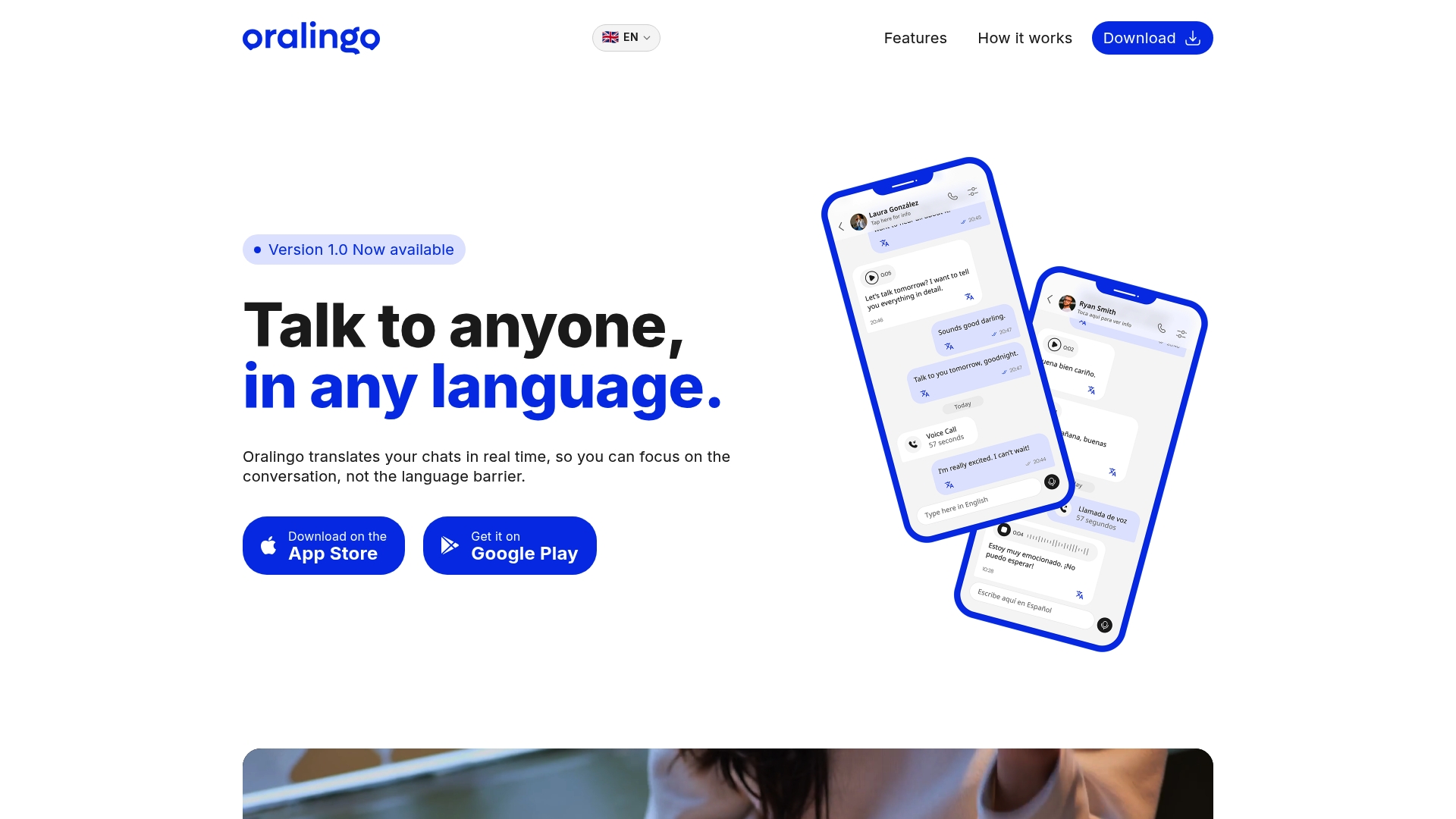
That matters most in the two moments where a rental deal actually gets decided: the in-person viewing, where you need to ask real questions about water pressure and noise without fumbling with a phone, and the contract review, where a misread clause about rent indexation or termination penalties can cost you months down the line. Oralingo supports more than 100 languages, preserves the tone of what you're actually trying to say, and keeps every conversation end-to-end encrypted, which counts when you're sharing bank details or income documents with a landlord you just met.
If you're heading into apartment viewings or a lease negotiation in a language you're still learning, download Oralingo and try a conversation before your next scheduled viewing.
Frequently Asked Questions
How much deposit should I expect to pay as an expat renter in Latin America? Expect one to three months of rent depending on the country and guarantee type. Brazil's caução typically runs two to three months, while Colombia often expects a fiador instead of a large cash deposit.
Do I need a local guarantor to rent an apartment? Not always. If you lack a fiador, most landlords will accept a larger upfront deposit or a rental guarantee policy instead, as long as you confirm which insurance providers they'll recognize before you buy a policy.
Is it safe to pay rent in cash? No. Always pay by traceable bank transfer or a platform-handled payment method, and insist on a receipt for every payment. Cash leaves you with no record if a dispute comes up later.
What's the biggest mistake expats make when renting abroad? Signing a long-term lease without a short-term buffer first. A two to four week stay lets you verify the neighborhood, inspect units in person, and avoid the pressure tactics scammers use on remote renters.
Can a translation app really help during a lease negotiation? Yes, particularly one built for real-time conversation. Tools like Oralingo translate before the message displays and offer hands-free voice mode, which keeps in-person viewings and phone negotiations moving naturally instead of stalling on typed exchanges.
Sources
- Navigating house-hunting abroad: Renting without getting ripped off
- Renting an Apartment in Colombia: Scams, Deposits, and How to Actually Find One
- How to rent an apartment in Brazil as a foreigner (2026) — Rio Times