
Translation in cross-cultural couples is defined as the practice of converting language between partners to preserve meaning, emotional connection, and cultural respect across different backgrounds. This goes far beyond swapping words. The role of translation in cross-cultural couples shapes how partners understand each other's feelings, honor family traditions, and build a life that holds two cultures at once. Research confirms that negotiation of meaning improves marital satisfaction more than avoidance does. When you and your partner work through language together, you are not just communicating. You are building something that belongs only to the two of you.
How does translation reduce misunderstanding in bilingual couples?
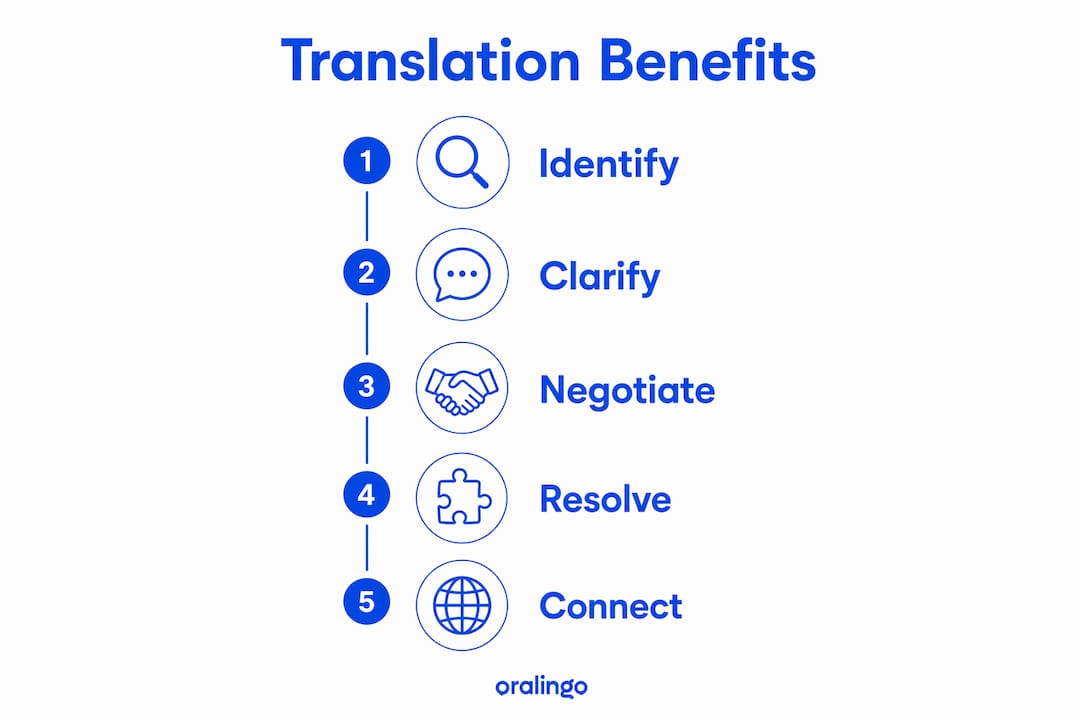
Language misunderstandings are one of the most common sources of conflict in cross-cultural relationships. A word that sounds neutral in one language can carry weight, offense, or warmth in another. The gap is rarely about intelligence or intent. It is about context, and context is exactly what translation helps supply.
Researchers call the process of working through these gaps "communicative repair." It is the back-and-forth of clarifying, restating, and checking understanding until both partners feel heard. Studies show that repeated communicative repair builds a unique couple culture and reduces the everyday prominence of cultural differences. That means every moment you pause to ask "Did you mean this?" is an investment in your relationship, not a sign of failure.

Real-time translation tools support this process in practical ways. They let you send a message in your language and have your partner read it in theirs, instantly. This reduces the mental load of constantly switching languages and gives both of you more energy for the actual conversation.
Here are the most common situations where translation directly reduces friction:
- Daily texting and messaging: Misread tone is the top cause of text arguments in bilingual couples. Instant translation keeps the intended meaning intact.
- Phone and video calls: Real-time voice translation removes the pressure of performing in a second language under stress.
- Family group chats: When in-laws speak a different language, translation keeps everyone included and prevents one partner from feeling like an outsider.
- Emotional conversations: High-stakes talks about money, parenting, or conflict need precision. Translation tools reduce the risk of a wrong word derailing the whole discussion.
Pro Tip: Use a multilingual communication checklist to identify which daily situations cause the most friction for your couple, then focus your translation tools there first.
Why does emotional nuance matter more than literal translation?
A perfectly translated sentence can still miss the point entirely. Experts caution that technology should supplement, not replace, emotional connection in bilingual families. This is the part most couples underestimate.
Emotional nuance is the layer beneath the words. It includes tone, timing, cultural associations, and the unspoken rules of how feelings are expressed in a given culture. In some Latin American cultures, expressing care through food and physical closeness is a primary love language. In many Northern European cultures, directness and personal space carry the same emotional weight. When a Spanish-speaking partner says "te cuido" (I take care of you), the full meaning includes a cultural commitment that a word-for-word translation cannot fully capture.
"Perfectly translated words do not equate to perfect understanding if cultural context and emotional nuance are missing. The most effective translation preserves the feeling behind the words, not just the words themselves."
Translation also plays a direct role in honoring family traditions. Effective translation in cross-cultural ceremonies avoids misunderstandings and respects both families' traditions. Whether it is a wedding ritual, a holiday meal, or a naming ceremony, the words used carry cultural memory. Getting them right is an act of respect.
Technology helps here, but it works best when you stay present in the conversation. Use translation to catch the words. Use your attention to catch the feeling.
How does translation build a shared couple culture?
Every bilingual couple eventually develops its own communication style. You might use one language for serious talks and another for jokes. You might invent hybrid phrases that only make sense to the two of you. This is called code-switching, and it is one of the most natural outcomes of sustained translation work in a relationship.
Language choice plays a clinical and emotional role in bilingual family dynamics, affecting hierarchy, belonging, and how vulnerability gets expressed. That finding matters for couples because it means the language you choose for a given moment is never neutral. Choosing your partner's language to say something tender is a gesture. Switching to your own language when you are scared is instinct. Both are real.
Repeated collaboration on meaning creates a shared couple culture over time. Relational satisfaction is achieved not by eliminating cultural clash but by managing difference through daily interactional work. This reframes the goal. You are not trying to erase the language gap. You are trying to make it workable, even meaningful.
Here are practical methods couples use to build this shared culture:
- Designated language days: One day in your partner's language, one in yours. This builds empathy and reduces the fatigue of always being the one who adapts.
- Shared vocabulary lists: Keep a running note of words that do not translate well. Discuss what they mean to each of you. These become inside references.
- Translation-assisted journaling: Write to each other in your native languages and share translated versions. The original text stays visible so nothing is lost.
| Method | What it does | Best for |
|---|---|---|
| Real-time chat translation | Converts messages instantly before display | Daily texting and messaging |
| Voice translation mode | Enables verbal conversation without typing | Phone calls and in-person talks |
| Bilingual journaling | Preserves native expression with translation | Emotional depth and reflection |
| Code-switching practice | Builds fluency in each other's cultural logic | Long-term couple culture development |
| Shared vocabulary notes | Documents untranslatable words with meaning | Cultural understanding and humor |
Pro Tip: When you find a word in your partner's language that has no equivalent in yours, write it down and talk about it. Those words often reveal the most about how your partner sees the world.
How does modern translation technology affect intimate communication?
Real-time translation technology has changed what is possible for cross-cultural couples, especially those living apart or across time zones. Translation technology reduces communication barriers related to time zones and multilingual call fatigue for couples living apart. That is a concrete quality-of-life improvement, not just a convenience.
The key benefits show up in four specific areas:
- Conversational flow: When translation happens before a message appears on screen, the conversation feels natural. There is no pause to copy text into a separate app or wait for a clunky result.
- Emotional continuity: Real-time video translation makes multilingual family calls more natural and meaningful, reducing interpreter fatigue and allowing better emotional continuity. Feeling understood in the moment matters more than a perfect transcript later.
- Transparency: Displaying both original and translated messages leads to better usability and emotional connection. When your partner can see what you actually wrote, trust increases.
- Accessibility: Supporting over 100 languages means couples from almost any background can communicate without a human interpreter in the room.
The risk of overdependence is real. If you rely entirely on technology for emotional conversations, you may stop developing the shared language skills and cultural fluency that deepen a relationship over time. Technology works best as a support layer, not a replacement for direct effort. Use it to keep conversations going, then use those conversations to keep learning each other.
What I have learned about translation and intimacy in cross-cultural relationships
I have spent years watching how couples navigate language differences, and the pattern that stands out most is this: the couples who thrive are not the ones who found a perfect translation tool. They are the ones who stayed curious about what their partner actually meant.
Translation technology is genuinely useful. Real-time translation supports romantic communication in ways that were not possible even five years ago. But the couples I have seen struggle the most are the ones who treat translation as a finished product rather than a starting point. They get the words right and assume the understanding followed automatically.
The emotional work of a cross-cultural relationship is not about eliminating the gap. It is about making the gap interesting. When your partner uses a word you do not have in your language, that is not a failure. That is an invitation. The couples who accept those invitations consistently report deeper intimacy than couples who avoid the friction entirely.
My honest advice: use every tool available to you, including real-time translation apps. But schedule at least one conversation a week where you try to say something difficult in your partner's language, without the app. The mistakes you make in those moments will teach you more than any translation ever could.
— Poul
Oralingo: real-time translation for couples who want to stay close
Cross-cultural couples deserve tools that keep up with real conversations, not tools that interrupt them. Oralingo translates messages instantly before they appear on screen, so your chat feels natural in both languages at once. Its hands-free voice mode means you can talk out loud without stopping to type, which matters most during emotional or fast-moving conversations.
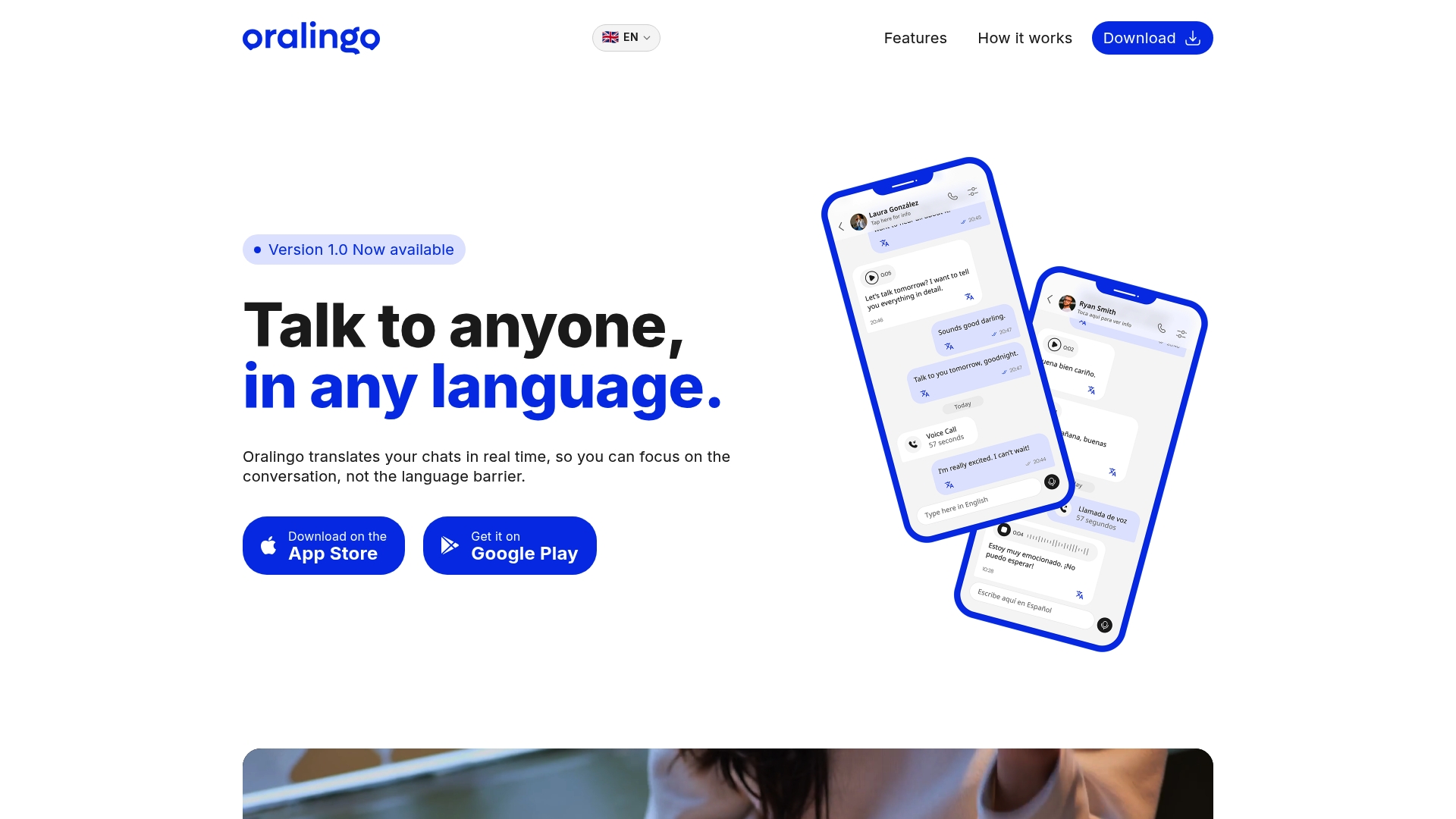
Oralingo supports over 100 languages with a 99% accuracy rate, and every conversation is end-to-end encrypted. Whether you are texting across time zones or talking through a tough topic, Oralingo keeps the focus on what you are saying, not on the language you are saying it in. Talk to anyone in your partner's language, starting today.
FAQ
What is the role of translation in cross-cultural couples?
Translation preserves meaning, emotional nuance, and cultural respect between partners who speak different languages. It goes beyond word conversion to support intimacy, reduce conflict, and help couples build a shared communication style.
How does translation reduce conflict in bilingual relationships?
Language misunderstandings are a frequent source of friction, but communicative repair practices show that actively negotiating meaning improves marital satisfaction and reduces the everyday impact of cultural differences.
Can translation apps replace learning a partner's language?
Translation apps support daily communication but do not replace the cultural fluency that comes from learning your partner's language directly. The best approach combines both.
How does code-switching affect bilingual couple dynamics?
Code-switching affects hierarchy, belonging, and how vulnerability is expressed in bilingual relationships. Research shows that language choice carries emotional and relational weight beyond its literal meaning.
Does real-time translation improve long-distance cross-cultural relationships?
Real-time translation reduces call fatigue and makes multilingual video calls more natural, which helps couples maintain emotional continuity across time zones and language barriers.
Key takeaways
Translation is the daily practice that keeps cross-cultural couples connected, not just understood. It requires both the right tools and the willingness to stay curious about what your partner truly means.
| Point | Details |
|---|---|
| Translation preserves emotional nuance | Word-for-word conversion misses cultural context; effective translation carries the feeling behind the words. |
| Communicative repair builds couple culture | Negotiating meaning together, rather than avoiding it, improves marital satisfaction over time. |
| Code-switching shapes relational dynamics | The language you choose for a given moment affects hierarchy, belonging, and emotional vulnerability. |
| Technology works best as a support layer | Real-time translation reduces fatigue and improves flow, but direct communication moments remain irreplaceable. |
| Shared vocabulary deepens intimacy | Documenting untranslatable words and discussing their meaning creates a private language unique to your relationship. |